Africa Transitional Justice Legacy Fund
Human Rights
Media Relations
Reparations and Racial Healing Conference
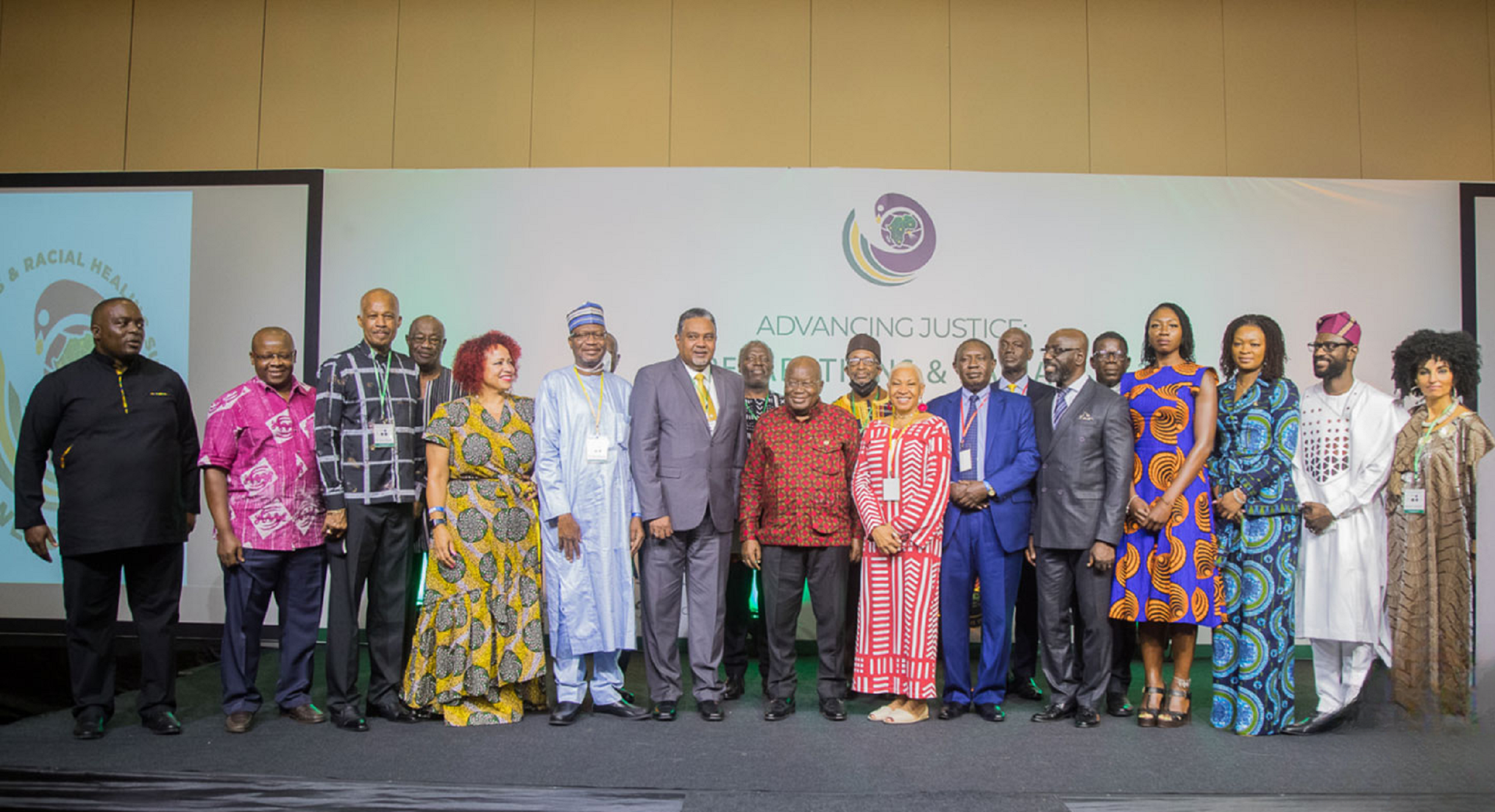
The Reparations and Racial Healing Summit was not a standard conference. It was part of a MacArthur Foundation-funded multi-year programme to develop a unified African strategy and advocacy agenda on reparative justice co-hosted by the African Union Commission, the Africa Transitional Justice Legacy Fund, the African-American Institute, and Global Black. Its two thematic strands, reparative justice and racial healing, addressed the legacy consequences of the trans-Atlantic slave trade, slavery, and colonialism for black people across the world.
The stakes in how the summit was covered were high. A discourse of this historical and political weight demanded a media strategy that would attract serious editorial attention at national, continental, and diaspora levels without generating reductive or sensationalised framing. Getting coverage in tier-one Ghanaian outlets was necessary but not sufficient. The summit needed to reach Africans in the diaspora, communities across the continent, and international platforms – audiences with a direct stake in the reparations conversation.
The assignment was also constrained. Mech Consult had limited preparation time. The question was how much could be achieved on these terms and whether the story itself was strong enough to drive editorial pickup.
What We Did
Mech Consult managed the full media relations and publicity cycle from inception through to post-event reporting. Pre-summit, we developed a publicity plan, worked closely with the dean of the Presidential Press Corps to secure media participation, and coordinated pre-event radio and TV interviews to build awareness ahead of the summit.
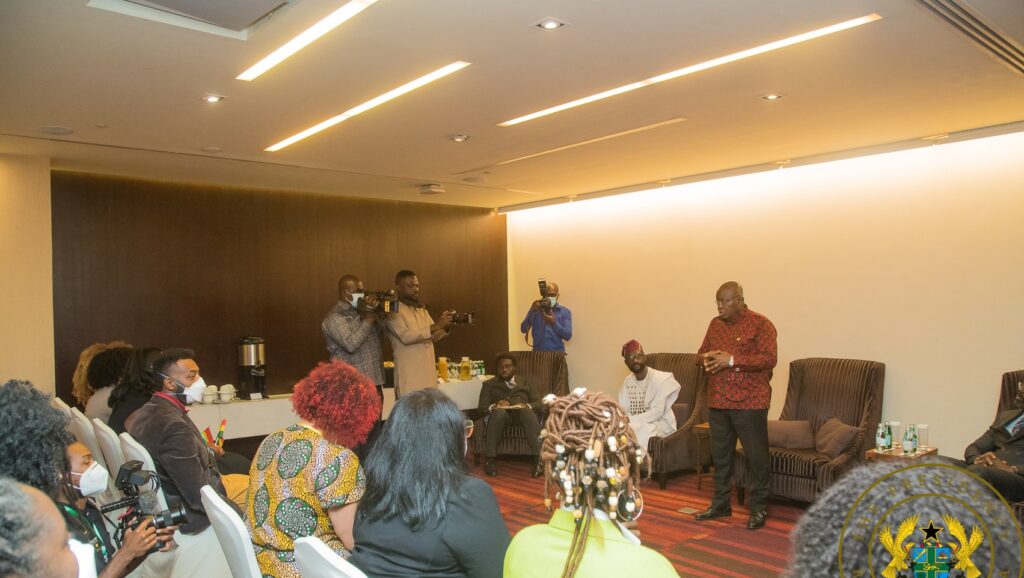
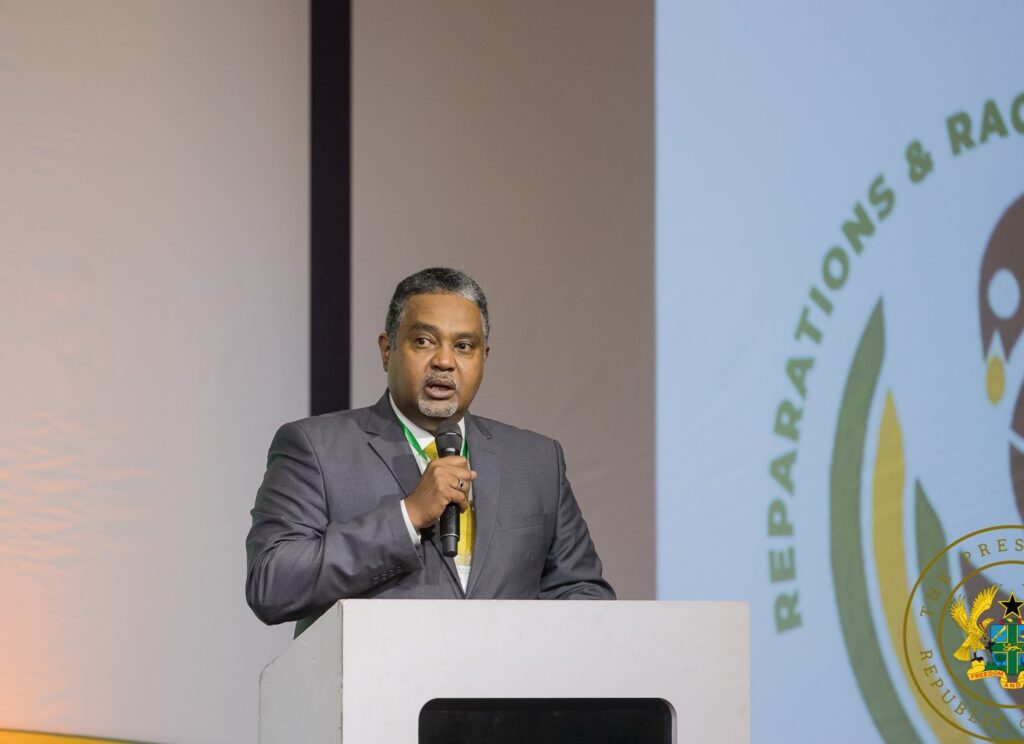
On summit day, we worked with the Presidential Press Corps to manage media access and participation, coordinated on-the-ground interviews with speakers and conveners, and ensured that the media present had what they needed to file accurate and substantive stories. Post-summit, we coordinated additional engagement on TV3, 3FM, JoyNews, and Uniiq FM and circulated both the communiqué and the Accra Declaration, the summit’s two primary output documents, directly to the media for publication.
Media monitoring, clipping, and reporting tracked all coverage across print, broadcast, and online channels, providing ATJLF with a full account of the summit’s media footprint, estimated value, and reach.
The Outcome
218 stories were published and broadcast, 17 solicited, and 201 unsolicited. The 92 per cent unsolicited rate is the defining number for this summit. It means that on a subject as politically and historically charged as reparations, the story was strong enough that the overwhelming majority of the media published it. All print stories were coloured and ran as front-page headlines.
Tier-one coverage included Adom TV, TV3, JoyNews, UTV, Peace FM, Adom FM, and Joy FM, all during prime-time news. Tier-one print covered Daily Graphic, Ghanaian Times, Daily Guide, and Business and Financial Times. GNA published the story, cascading it to tier-two and three portals nationally and continentally. Sub-regional and international portals, including MSN, DW, Africanews, Channel Africa, AllAfrica, and outlets in Nigeria, Zambia, Kenya, Gambia, and the United States, also ran the story.
Estimated audience reach was 916 million people, reflecting the continental and diaspora spread of coverage. Earned media value was GHC 216,027.50. ATJLF received extensive coverage for the summit.